Common questions
Does homeowners insurance cover fire damage restoration in Newark?
Yes. Fire is a named peril in Ohio homeowners policies, so the structure, smoke and soot cleanup, contents, and water damage from firefighting are covered, subject to your deductible and limits. Newark has a deep stock of older homes, and ordinance or law coverage is the clause to check there: it pays the added cost of bringing repaired work up to current code, which matters when a fire opens up old wiring or plumbing. If the home will be empty during a winter repair, ask the insurer about heat and freeze precautions. Open the claim the day of the fire.
How much does fire damage restoration cost?
The published national frame from Angi (2026): most fire restoration projects run between about $3,100 and about $52,000, with an average near $27,500, and cleanup commonly priced at $4 to $7 per square foot. Licking County sorts into the same bands: a small kitchen smoke cleanup can start under $1,000, a one-room fire with smoke through the house lands in the tens of thousands, and structural fires go higher, with older-home code work adding to rebuild totals. Central Ohio labor pricing sits near national averages, so the range is a usable planning guide. Insurance pays covered losses above the deductible.
What should I do first after a house fire in Newark?
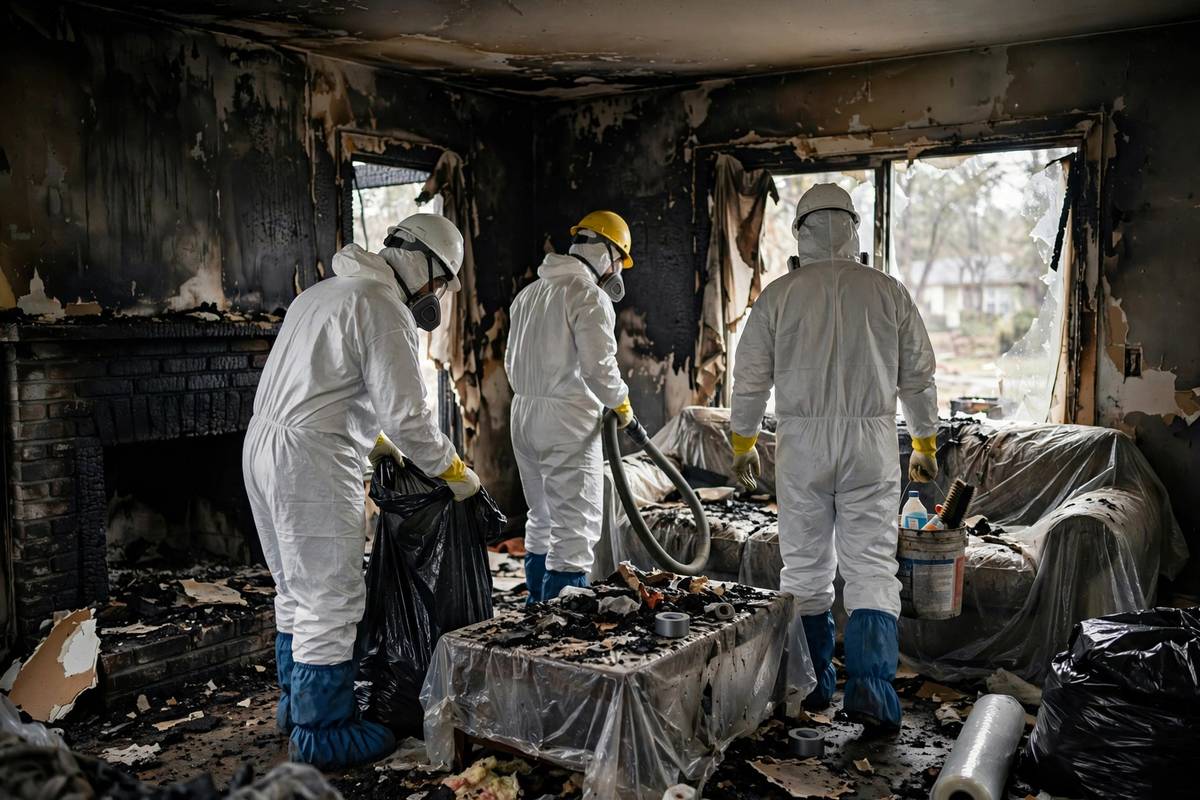
Do not re-enter until the fire department releases the home. Call your insurer the same day and open the claim. Get openings boarded and roof damage tarped right away; Licking County weather will find a hole in the roof, and your policy expects you to prevent further damage. Photograph every room before anything is moved, including the basement and attic where soot and water hide. Keep damaged items for the adjuster, do not wash walls, and keep the furnace off until the system is inspected, because running it spreads soot through the ductwork into clean rooms.
Can I stay in my home after a fire?
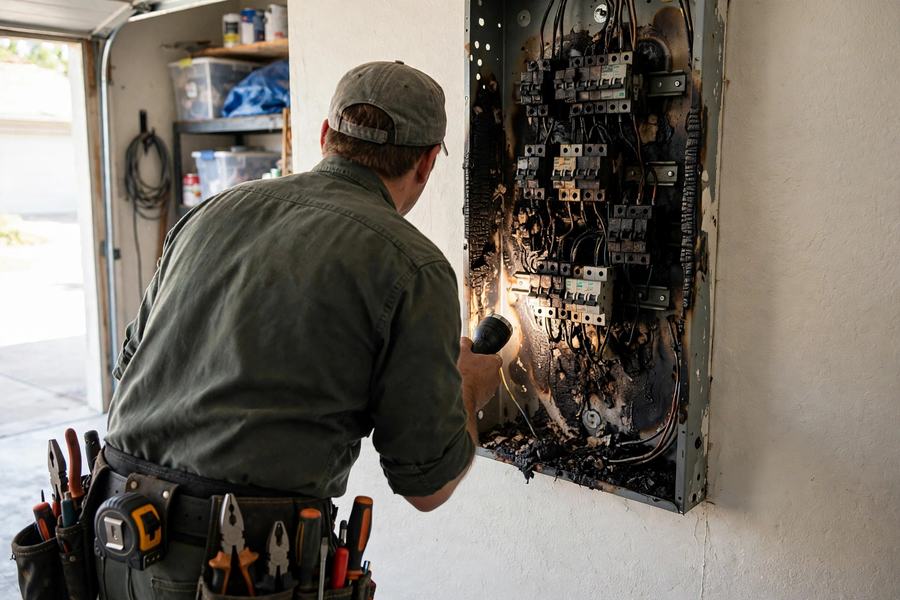
A contained fire, with utilities on and the sleeping areas testing clean, can be livable with the work zone sealed off. Heavy soot throughout, structural damage, a dead electrical panel, or no heat in an Ohio winter means moving out. Soot residue is a lung irritant, so children and anyone with breathing issues should not sleep in a home mid-cleanup regardless. Your adjuster and the restoration lead make the livability call with you, and when the home is judged unlivable, loss of use coverage typically pays for a hotel or rental for the repair period.
How long does fire restoration take?
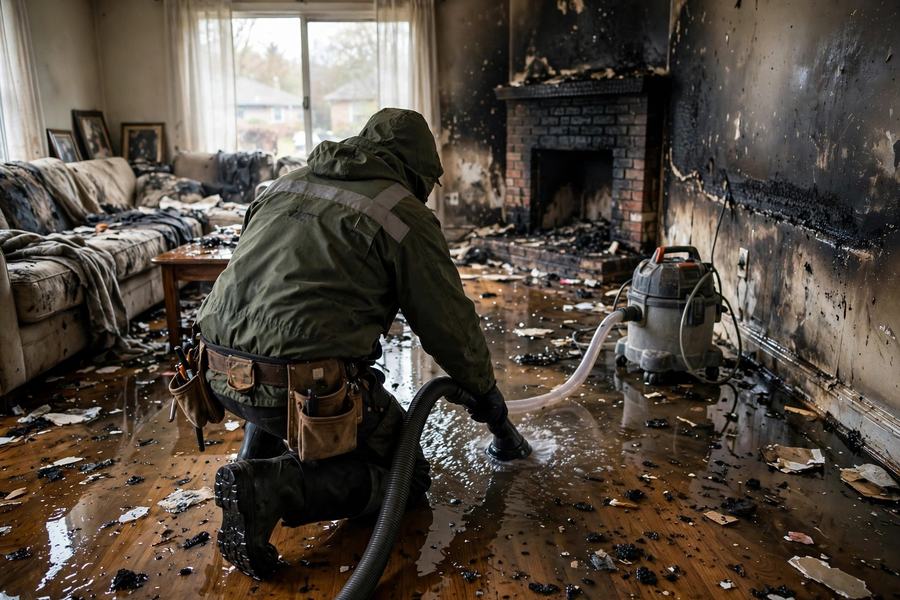
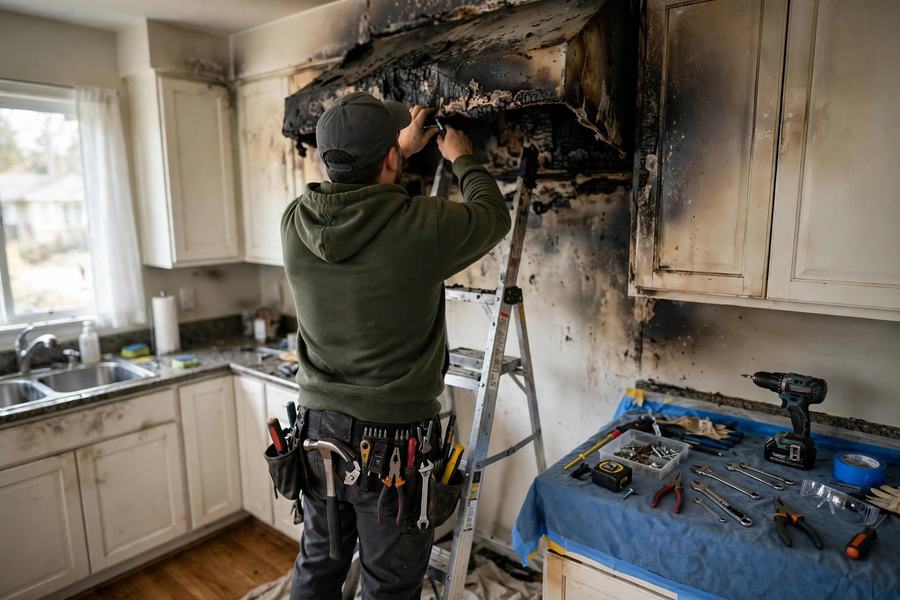
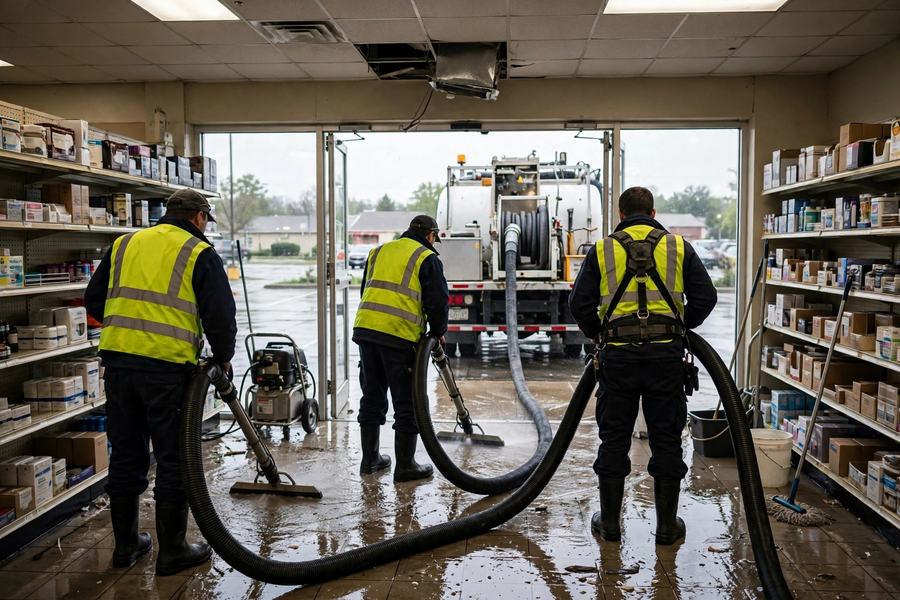
Emergency work happens first and fast: board up, tarping, and water extraction on day one, drying over several days with logged readings. Cleaning, soot, smoke, odor, and contents, generally takes one to two weeks. The rebuild is the long phase: a room can be a few weeks, while structural repairs with permits and inspections can take several months, and older Newark homes can add time when code upgrades join the scope. Most moderate fires here are fully resolved in about two to four months. Getting the contractor and adjuster scopes reconciled in the first week is the schedule move that matters most.
Can I clean soot and smoke damage myself?
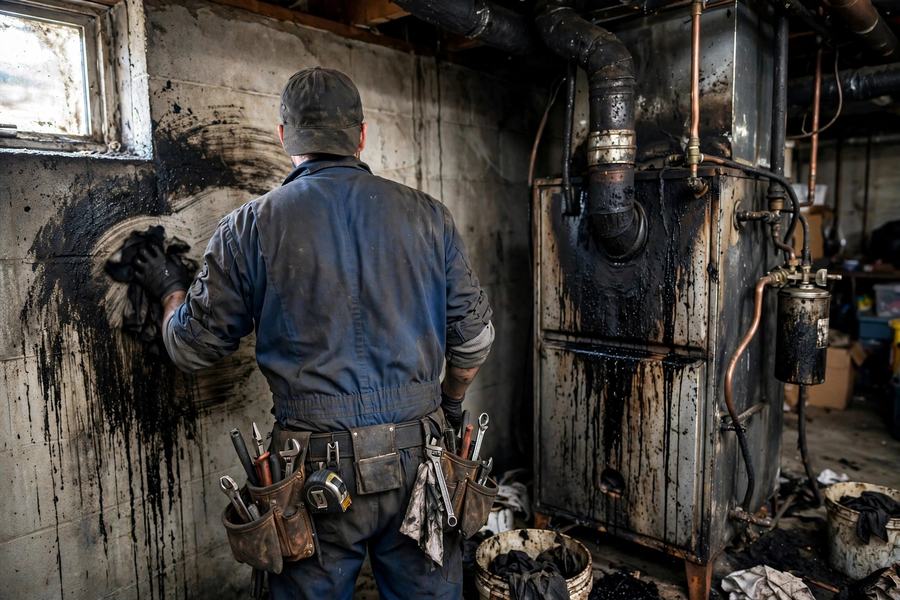
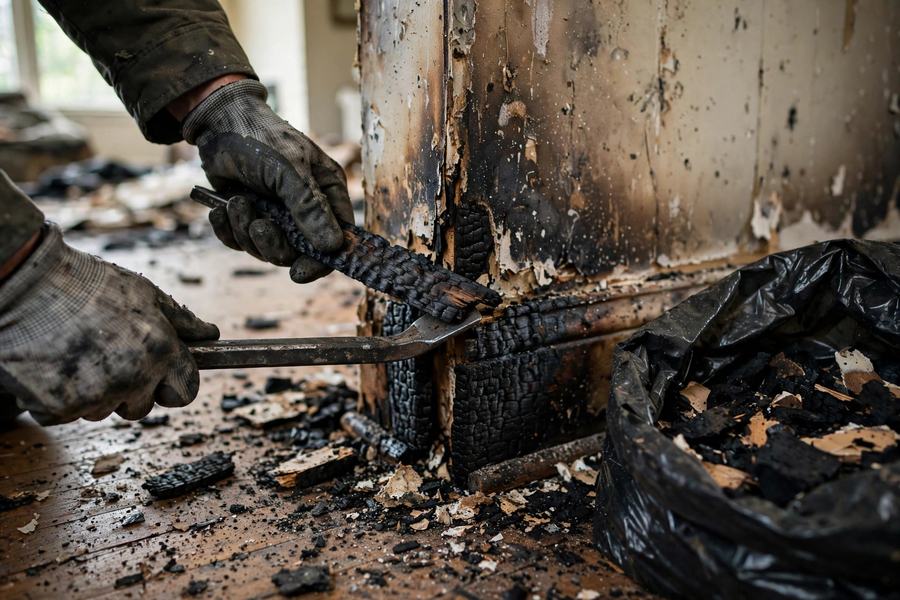
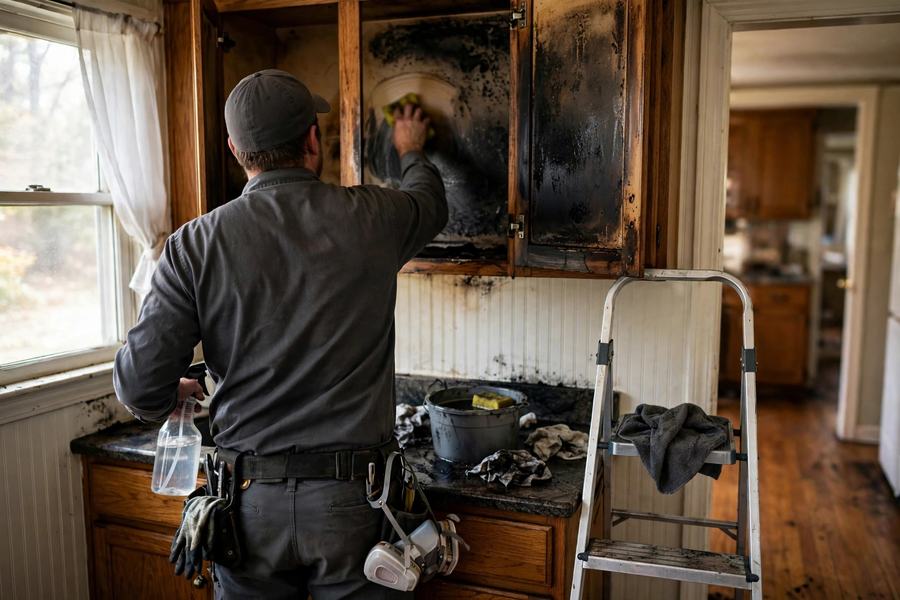
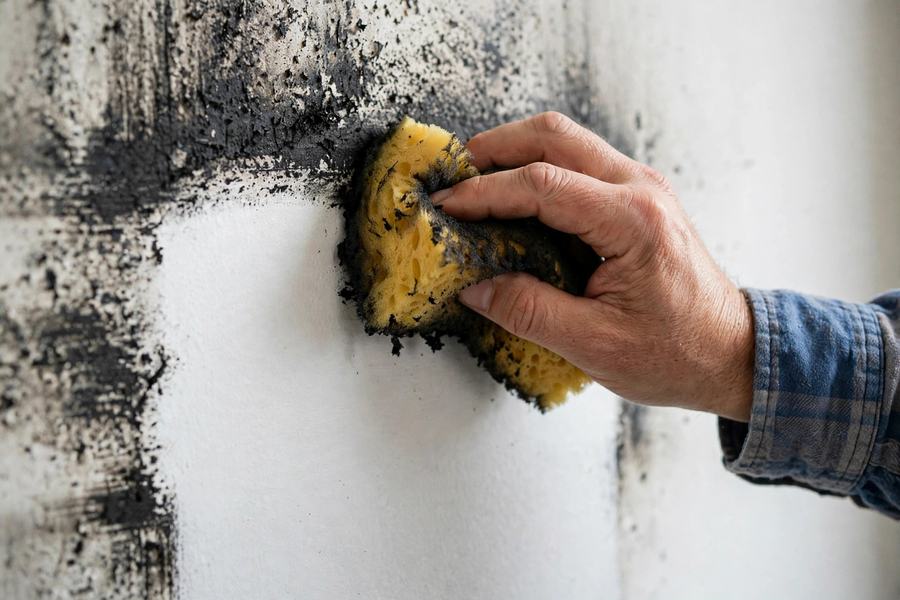
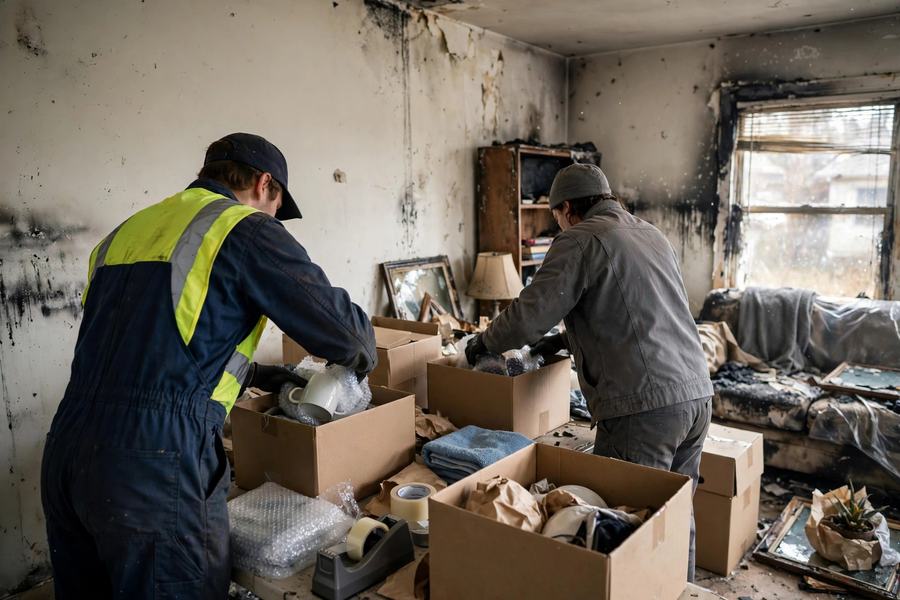
Take the photographs and write the inventory; leave the soot to the crew. Soot is acidic, and the wrong cleaner drives it into paint, plaster, and drywall, turning a liftable residue into a permanent stain. Residue from burned plastics and foams is also a genuine breathing hazard during hours of scrubbing. Professionals test a hidden patch first, begin with dry sponges, and choose wet methods per surface. One Newark-specific trap: do not run the furnace to take the chill off before the ducts are checked. A smoke-filled system will coat clean rooms in an afternoon.
Will insurance pay for temporary housing after a fire?
When a covered fire makes the home unlivable, the loss of use section of your policy pays the additional cost of living elsewhere: rent or a hotel, the increase in food spending, and similar documented expenses, up to your limit. Newark and the surrounding Licking County area have reasonable extended-stay options along the SR-79 and SR-16 corridors, but winter fires compress supply, so raise housing with your adjuster in the first conversation and ask about insurer-placed housing. Keep every receipt from the first night out; this coverage pays against documentation, and it covers added costs, not your mortgage or normal bills.
What is board up and why does it have to happen the same night?
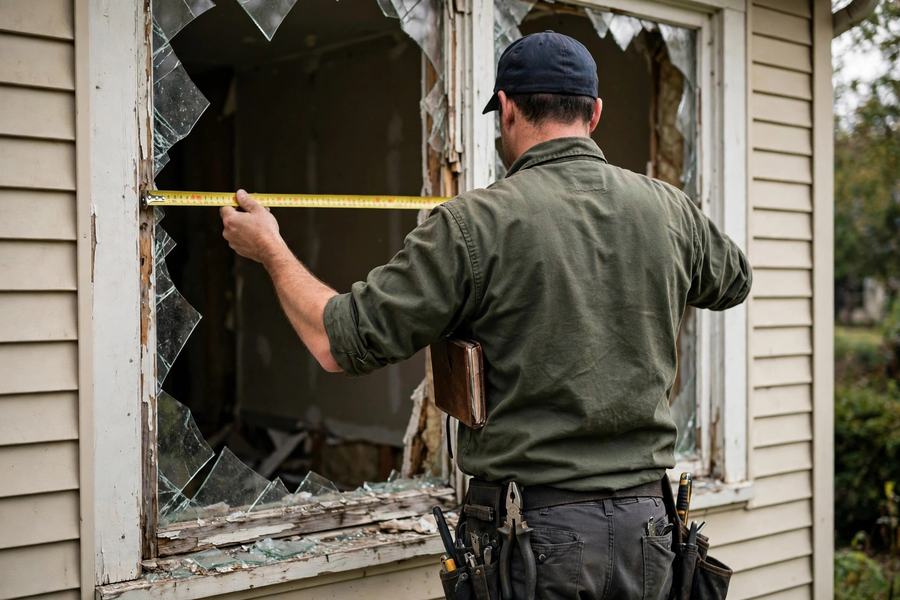
Board up is closing the home the same day: plywood fitted over broken windows and doors, tarps anchored over roof openings, and locks secured. In Newark it cannot wait because of what follows a fire here: rain or snow through the roof, and in winter, a house without heat freezing its pipes and adding a burst-pipe loss to the fire loss. An open, empty, damaged house also invites theft and vandalism, and your policy requires reasonable steps to prevent further damage after a covered event. The work is photographed for the claim file and is normally covered as part of the loss.
See all questions →
Local guides